
Feasibility & site evaluation · Pinellas County
Your Vision.Grounded in Your Home.
Before a beautiful idea becomes a construction plan, it needs to fit the home you have. MDI Custom Homes helps identify existing conditions, practical constraints and the questions that need answers before your remodel moves forward.
Florida Certified Building Contractor · CBC1267559
Seminole · Largo · Pinellas County
Make informed decisions early
See the possibilities.
Understand the conditions.
A remodeling feasibility review considers how proposed changes relate to the existing home and property. It helps identify what appears practical, what needs further investigation and which professionals or approvals may be involved.
That early clarity supports a more useful planning and budgeting process. It also helps you compare approaches before committing to detailed selections or a construction scope.
The rooms and structure.
Consider the current layout, openings and visible construction. Identify questions that need further assessment before walls or structural elements are changed.
Explore structural modifications →The building systems.
Consider how planned kitchen, bath or room changes may affect plumbing, electrical and HVAC work, with qualified trade input where needed.
Explore interior reconfiguration →The project and property.
Review access, the relationship to adjoining spaces and property information relevant to the proposed work. Establish which questions need confirmation.
Explore additions and major upgrades →
The property is part of the plan
A closer look
before a bigger decision.
The same remodeling idea can involve very different work in two homes. Existing construction, access and the relationship between rooms or outdoor areas all influence the approach.
- Review the proposed work in the context of the actual home.
- Consider access for materials and construction activity.
- Identify relevant existing plans or property documents.
- Flag questions that require specialist review or confirmation.
Turn uncertainty into the right next questions
A practical starting point
for a custom result.
Share the goal
Explain what you want to improve and what is not working today. Bring your priorities, budget expectations and timing.
Review the conditions
Consider accessible areas, available documents and the relationship between the proposed work and the existing home.
Identify what needs input
Flag structural, design, trade or property questions that may need further investigation or professional review.
Define the next step
Use the findings to refine the scope, compare options and identify the planning work needed before construction.
Architect and engineer coordination · Planning and budgeting
Consider the whole relationship
A new layout.
A realistic path forward.
Opening a kitchen to the living room may involve more than removing a wall. A larger bathroom may affect an adjoining closet, utility routes or room access. Understanding those connections helps shape a project that addresses the real need.
Our remodeling focus is practical customization: better kitchens, bathrooms, room connections and whole-home functionality, developed with the existing building in mind.
Kitchen remodeling · Bathroom remodeling · Whole-home renovations

Local homes deserve a specific assessment
Seminole. Largo.
Throughout Pinellas County.
MDI Custom Homes works with homeowners in Seminole, Largo and surrounding Pinellas County communities. An early review helps connect your remodeling goals to the conditions of your home, rather than relying on assumptions from a photograph or a generic floor plan.
Start with the property address, photos and a description of the changes you are considering. Existing plans or a survey may be useful when relevant to the proposed scope.
Clear answers for a considered decision
Your home.
Your questions.
What is a remodeling feasibility and site evaluation?
It is an early review of the proposed work in the context of the existing home and property. It helps identify practical constraints, information gaps and questions that need further investigation before the project scope is finalized.
Can you tell from a photo whether a wall can be removed?
A photo can help start a conversation, but it cannot establish whether a wall is safe to remove. Existing construction and supporting conditions need appropriate evaluation, with structural design input where required before the affected work proceeds.
Does a feasibility review replace an engineer or architect?
No. A contractor's construction perspective is useful during early planning, while architects, engineers and other professionals provide their own services when the project calls for them. The review can help identify where that input is needed.
What information should I have ready?
Share the property address, the rooms or areas you want to change, photos and your main priorities. Existing plans, surveys or relevant records can be helpful if available. Explain any known concerns or previous alterations as part of the discussion.
Can feasibility be confirmed before every hidden condition is visible?
Early review can identify many practical questions, but concealed construction and unavailable information create limits. Further investigation, design work or findings during construction may affect the proposed approach, budget or timing.
Start with the home you have
Let's explore
what is possible here.
Tell us what you want to change and what you hope the space will become. We will help identify the information and planning needed for the next step.
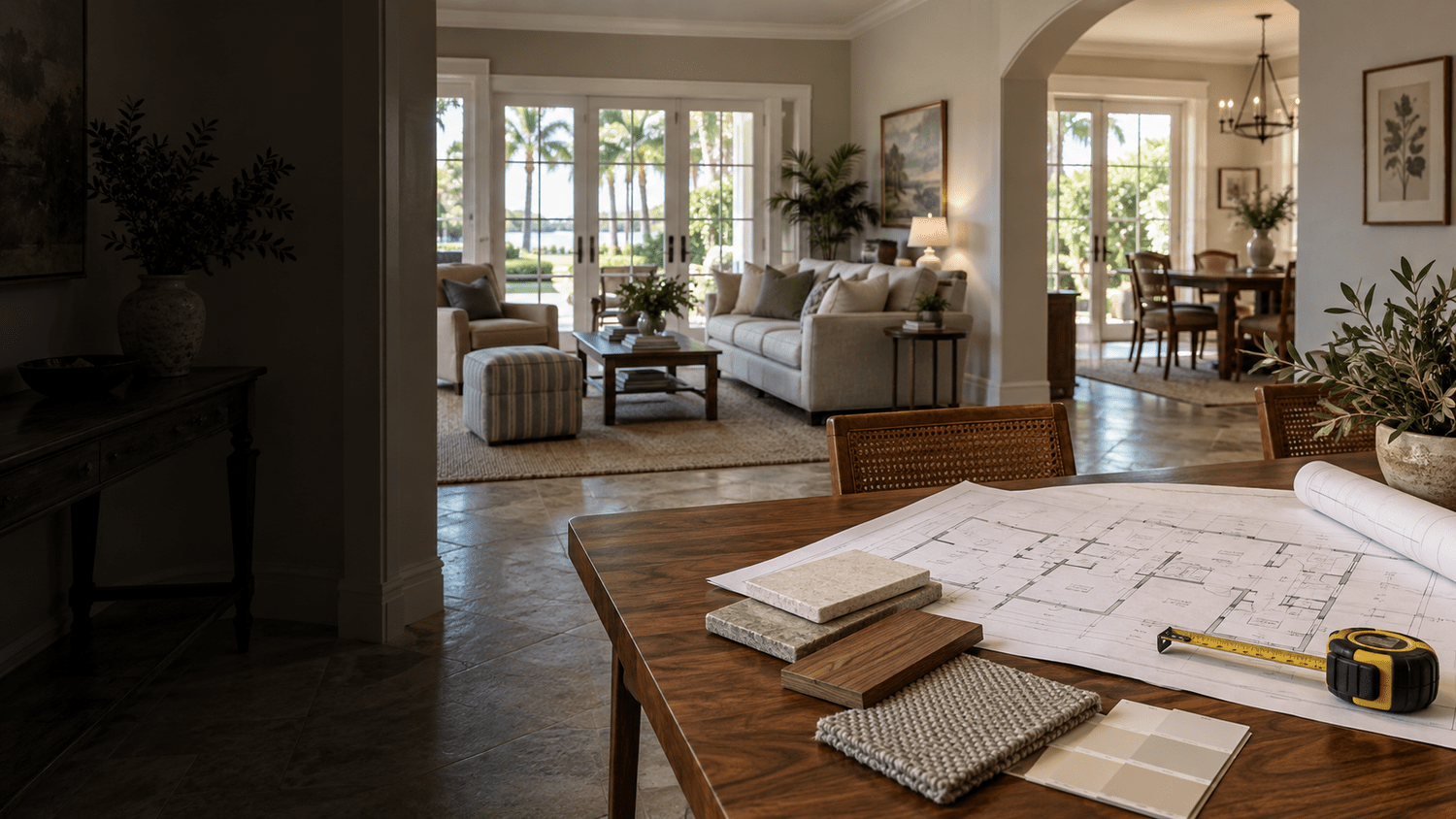
Design imagery is illustrative and does not depict completed MDI projects.