
A useful contractor search begins with the work your home needs. For a Largo kitchen, bathroom or whole-home renovation, compare the contractor’s qualifications, the completeness of the proposal and the way decisions will be coordinated. Distance from your home is only one part of that decision.
Updated October 15, 2026 · MDI Custom Homes LLC · Florida Certified Building Contractor CBC1267559
1. Define the project before comparing contractors.
Describe the outcome in practical terms: a kitchen that works for two cooks, a bathroom with better storage, connected living spaces or a whole-home renovation with a consistent finish level. Separate the changes you need from the features you would like if the budget allows.
List the rooms, items to remain, items to be removed and known problems. Include any proposed wall changes, equipment relocations or alterations to plumbing, electrical and mechanical systems. A cabinet replacement and a kitchen reconfiguration can look similar in an inspiration photograph while requiring very different work.
Prepare a short project brief with the property address, photos, available drawings, priorities, intended budget range and any date constraints. Mark unknowns as questions. Existing conditions should be checked before they become fixed assumptions in the proposal.
Use our guides to pre-construction planning and budgeting and interior reconfiguration to organize the initial conversation.
2. Verify the license, business and relevant experience.
Use Florida DBPR’s official license search to check the contractor’s record. Compare the license holder, status, category and associated business with the proposal. Ask questions when the names or scope do not match.
Florida has different contractor license categories; a license number alone does not establish that every type of work is covered. DBPR’s construction industry FAQs explain licensing categories and business qualification. Confirm the requirements for the actual work.
Ask for current insurance documentation and clarify the status of the people or businesses performing the work. Questions about coverage should be answered by the relevant insurer or qualified adviser.
For experience, look beyond a finished-room photograph. Ask what the contractor coordinated: demolition, retained finishes, structural review, trade work, cabinetry or inspections. Request references for comparable projects and ask how decisions, changes and unresolved items were handled. MDI Custom Homes LLC is a Florida Certified Building Contractor, license CBC1267559.
Related reading: verifying subcontractor licensing and insurance.
3. Compare the same scope, not just the bottom line.
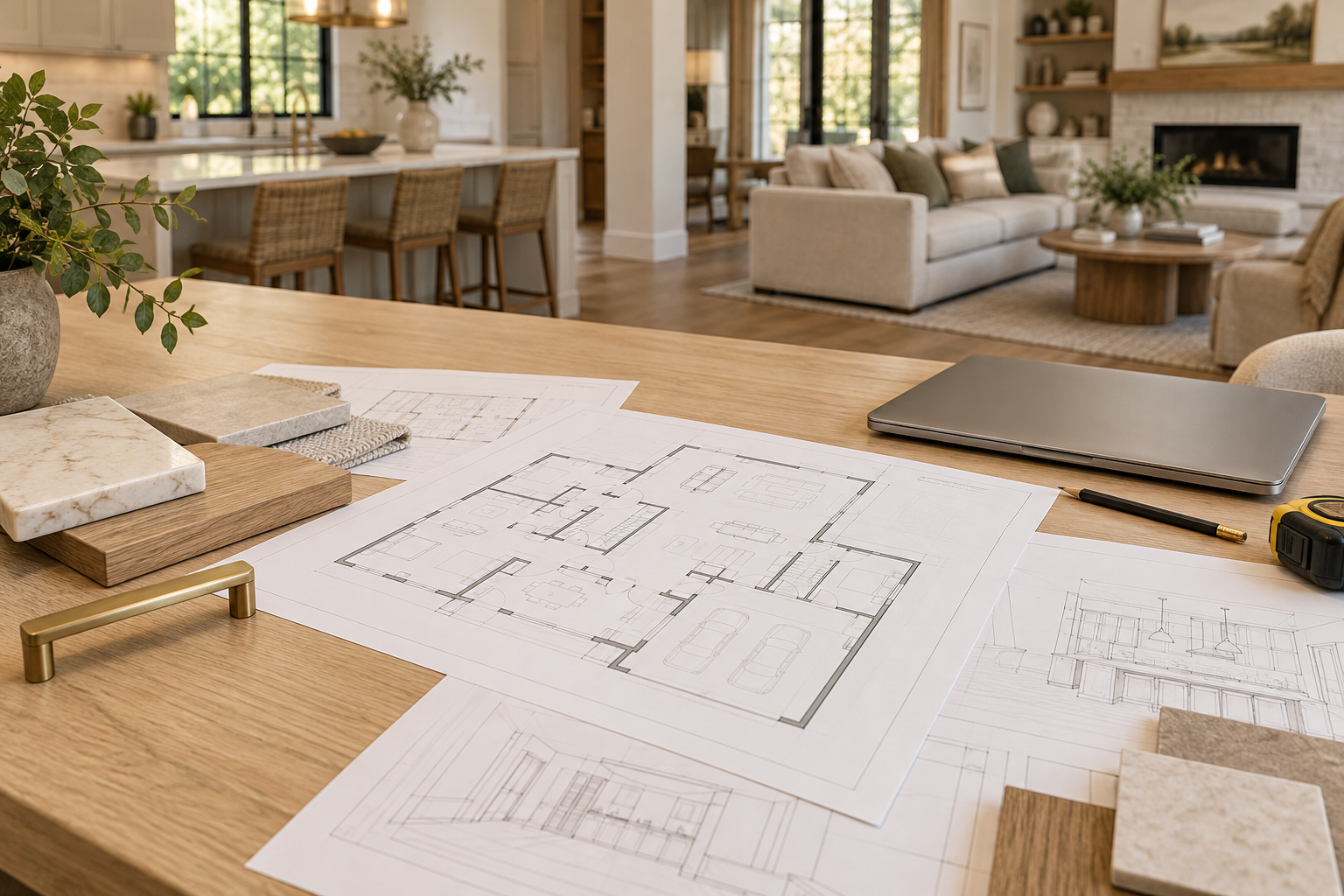
A proposal becomes easier to evaluate when you can identify what is included, excluded, provisional and supplied by the owner. Ask each contractor to explain the boundary of the work. A phrase such as “complete kitchen remodel” needs supporting detail.
| Proposal item | What to clarify |
|---|---|
| Demolition and protection | What is removed, how retained areas are protected and who handles debris. |
| Design and approvals | Which drawings, professional services, permits and review costs are included. |
| Products and installation | Specified models, materials, quantities, installation details and exclusions. |
| Supporting work | Trade coordination, patching, adjacent finishes and restoration caused by the changes. |
| Owner responsibilities | Selections, supplied items, access, approvals and information deadlines. |
| Changes and completion | How changes are priced and accepted, and what defines the completion milestones. |
Keep unanswered items visible. An omission does not disappear because a total looks attractive; it may become a later scope decision. Ask for a revised written proposal when the clarification changes what is being offered.
Read controlling costs through scope definition for a fuller explanation of scope boundaries.
4. Understand allowances, estimates and contingencies.
An allowance is an amount included for a defined item or category that has not been fully selected or priced. Ask what it covers. A tile allowance might address material only; delivery, installation, preparation and accessories need their own clarification.
An estimate depends on the information available and its stated assumptions. Ask which parts of the price are fixed, which remain provisional and what information is needed to resolve them. A contingency is a reserve for uncertainty; it is not a substitute for describing known work.
Illustrative example: Proposal A includes a specified cabinet layout and countertop. Proposal B uses a cabinet allowance and excludes the countertop. Their totals cannot be compared fairly until those differences are reconciled. Neither number alone explains the cost of the same finished kitchen.
Ask how a selection above or below an allowance changes the amount due, including any related labor, delivery, tax or agreed fees. Get the method in writing before ordering.
5. Confirm the property’s permitting jurisdiction.
A Largo mailing address does not always mean the property is in the City of Largo’s jurisdiction. The city’s Permit FAQ directs owners to the Property Appraiser’s current tax district; LARGO(LA) identifies city jurisdiction.
For city projects, the Largo permit page links to current applications and the Largo Civic Access Portal. Confirm the permit requirements for the complete proposed scope and the actual property.
Ask who prepares the application, coordinates any design professionals, responds to review comments, tracks inspections and handles revisions. Permit issuance and final approval are different milestones. Record responsibility for both.
Related resources: permit assistance, home renovation permits explained and coordination with architects and engineers.
6. Ask how the project will run day to day.
Identify the person who coordinates the site and the person who approves scope changes. Ask how questions, progress updates and upcoming decisions will be communicated. A useful update explains completed work, the next activity, open questions and anything needed from the homeowner.
Discuss working access, protection of retained rooms, deliveries, storage, cleanup and any expected interruption to kitchens, bathrooms or utilities. For an occupied home, clarify how the household will function during each stage.
Review the dependencies behind the schedule. Cabinet approval, equipment information, fabrication, required inspections and owner selections can control when later activities are ready. Ask what must be resolved before demolition or ordering begins.
Our guide to schedule management and site supervision explains why a sequence tied to readiness is more useful than a list of dates alone.
For contractors who cannot stop to answer every call, an intake tool such as AnswerCraft can collect contact and project details for a personal callback. Capturing an inquiry still needs a clear follow-up process; scope decisions and approvals should use the agreed project communication channel.
7. Establish a clear change and closeout process.
A change can come from a homeowner request, a product substitution or a condition uncovered during the work. Ask how the contractor documents the issue, develops the revised scope and explains the cost and schedule effects. Agree who must accept the change before affected work proceeds.
Separate the owner’s approval from any required design or permitting approval. A signed change decision does not automatically resolve the need for revised drawings or official review. Keep current information available to everyone whose work depends on it.
Before completion, review the agreed scope, outstanding items, relevant inspection results and product information. Identify who resolves each remaining item and how completion will be confirmed. Ask for the applicable care instructions, warranty information and project records.
Continue with inspection coordination and final inspections and project closeout.
Choose experience that fits the renovation you want.
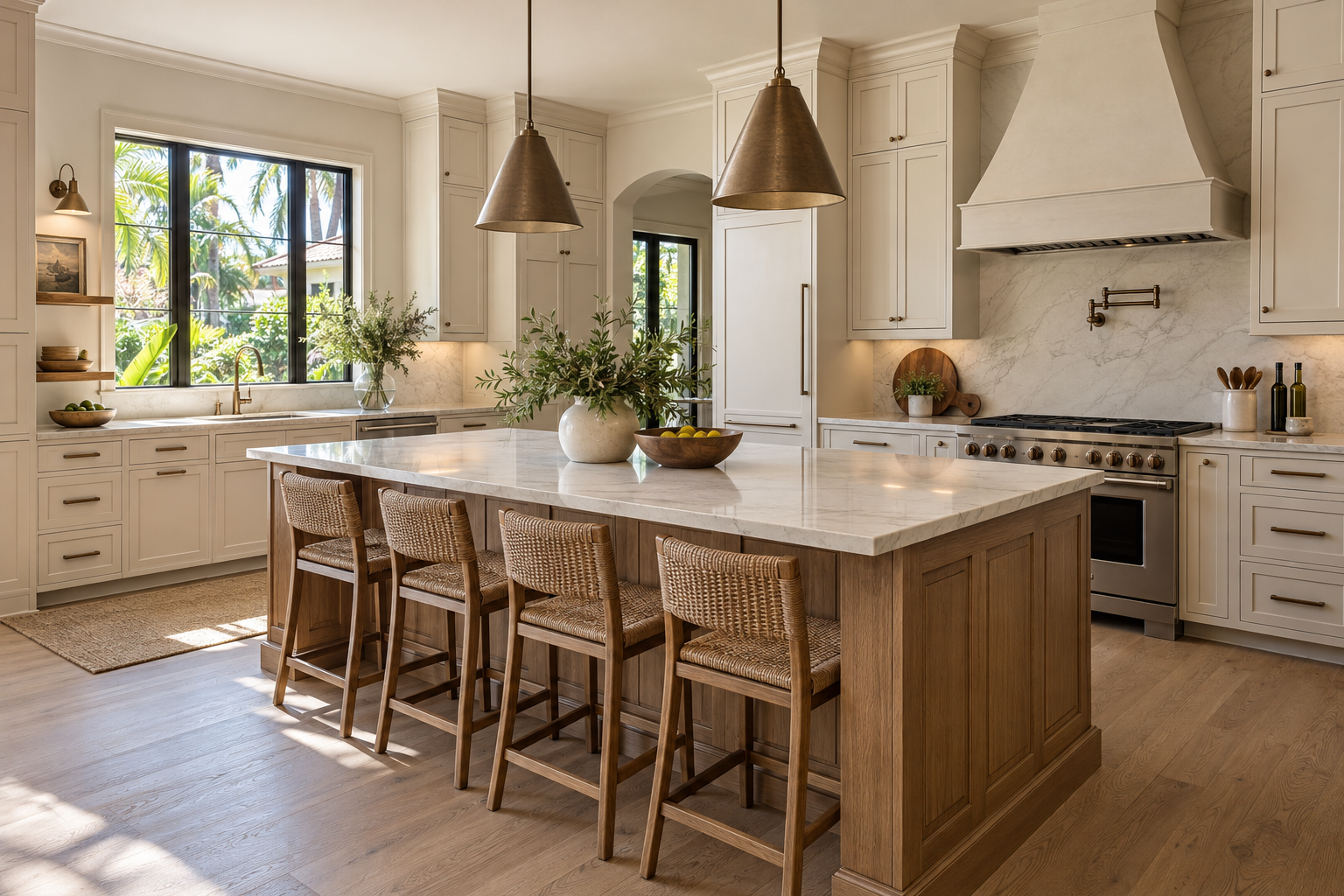
For a custom kitchen, discuss cabinetry, appliance information, lighting, circulation and the supporting trade work together. For a bathroom, ask how layout, storage, ventilation, wet-area assemblies and fixtures will be coordinated. For whole-home remodeling, consider how the rooms and construction stages affect one another.
MDI Custom Homes focuses on whole-home renovations, custom kitchen remodeling, bathroom remodeling and personalized interiors such as closets, walk-ins and media spaces. New construction and additions remain available where the project is a fit.
Explore our Largo remodeling resource for local project planning, or share your project priorities with MDI Custom Homes.
Questions Largo homeowners ask
How do I start looking for a remodeling contractor in Largo?
Write a short brief identifying the property, rooms, priorities, known conditions and intended budget range. Then compare contractors against that scope, verify credentials and request written proposals with clear inclusions and exclusions.
Does a Largo address always mean the city issues the permit?
No. Largo directs property owners to verify the current tax district on the Property Appraiser record. Confirm the jurisdiction for the actual property before preparing the permit application.
What should I compare besides the contractor’s price?
Compare the scope, product specifications, allowances, exclusions, owner responsibilities, permit coordination, change process and completion requirements. Ask each contractor to clarify missing or provisional information.
What is a remodeling allowance?
An allowance is an amount included for a defined item or category that has not been fully selected or priced. Confirm exactly what it covers and how the final selection changes the amount due.
Should I choose a contractor only because they are nearby?
Proximity can help with logistics, but it does not replace appropriate licensing, relevant experience, a complete scope and clear project coordination. Evaluate all of these together.
Bring your project into focus.
Tell MDI Custom Homes what you want to improve, what you want to keep and what matters most. We can discuss the scope and next planning steps for your Largo home.
Discuss your renovation ↗Call 727-213-7309Official resources
- Florida DBPR license search
- DBPR construction industry FAQs
- City of Largo Permit FAQ
- City of Largo permit resources
Use the current official guidance and project-specific requirements when planning the work.
Design imagery is illustrative and does not depict completed MDI projects.
